 By
By 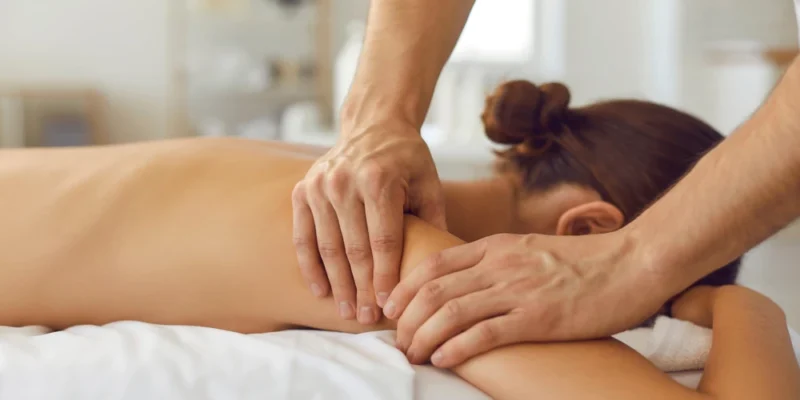
A completed personal project needs an ending that is more deliberate than running out of work. Otherwise, the newly organized room becomes a fresh decorating assignment, the finished portfolio becomes another editing session, and the promised reward moves out of reach. Set a practical completion point, acknowledge what was accomplished, and choose a separate experience that does not require improving the thing you just made.
Decide what finished means before improving it again
There is a useful difference between something unfinished and something that could always be better. A shelf that still needs to be secured has a remaining task. A completed display that might look nicer with different objects has a possible future revision. Treating both as equally urgent makes completion impossible. Attend to necessary work, then identify the point at which the original purpose has been met.
Think back to the reason for starting. Perhaps the aim was a usable guest room, a tidy collection of family photographs, or a finished piece for a community exhibition. Those are observable outcomes. “Make the room perfect” or “feel completely satisfied with every image” offers no comparable stopping point. The original purpose is a fairer measure than the improved version imagined after weeks of becoming more knowledgeable.
One small act can make the boundary visible. Put the tools away properly, send the promised file, use the room for its intended purpose, or invite the person who helped to see the result. This is not an instruction to ignore mistakes. It is a way to stop treating optional refinement as proof that nothing has been achieved. The work deserves to be seen in its completed state before it becomes material for another round.
For shared projects, agree on that boundary together. One person may think the practical work is complete while another sees an unspoken list of finishing touches. Name the remaining essentials and assign them honestly. Celebration is less comfortable when it silently transfers the final cleanup to somebody else. A clear division makes the ending belong to everyone who contributed.
A reward needs a different kind of attention
A satisfying reward does not have to be expensive, elaborate, or productive. It should be something the person actually wants. After a long period of measuring, selecting, making and correcting, another purchase for the project may feel less like a reward than a continuation. An experience outside that cycle can create a clearer change of subject.
That experience might be a meal with someone who heard about the project for months, a film with no connection to its subject, or a relaxation appointment. Someone who enjoys hands-on spa services can read Azure Aqua Spa’s relaxation massage menu when considering a local outing in Kitchener-Waterloo. The reason for choosing it here is ordinary enjoyment and a change of activity, not a promise that massage will repair the effects of project work.
The distinction matters if the project involved physical effort. Pain or an injury concern deserves appropriate professional attention; a celebratory booking does not answer that question. Keep the leisure decision separate. It is entirely reasonable to want a pleasant appointment without attaching a recovery claim to it, just as a celebratory dinner does not need to make the next project more efficient.
Choose the scale from what feels comfortable now. Finishing something substantial does not create a debt to buy the most elaborate available experience. A single service can mark the occasion, and an unpurchased afternoon can do the same. The reward becomes less useful if it introduces a new obligation to prove that the project was important enough to deserve it.
Let the completed work stay completed for an afternoon
The difficult part may be resisting the small tasks that arrive after the official ending. A friend suggests another colour. A photograph reveals a detail that could be adjusted. A supplier email makes a new accessory seem suddenly necessary. These ideas can be interesting without requiring immediate action. Record a useful thought once, then leave it where it will still be available later.
If the reward involves going somewhere, let the outing have its own subject. A conversation can include the project without turning into a review meeting. Someone accompanying the maker does not need to identify flaws, propose upgrades, or extract a lesson from the experience. They can simply recognize the effort and enjoy being together after a period when time was absorbed elsewhere.
Digital traces can keep the work unusually present. A folder of progress photographs, a group chat about materials, or an open shopping basket invites another pass through decisions that are already settled. Close what no longer needs attention. There is no need to erase the record or perform a dramatic digital detox; removing the immediate prompt may be enough to let a chosen outing remain an outing.
At a spa appointment, this also means allowing the service to stand on its own. The guest does not have to emerge with a new routine, a creative breakthrough, or a plan for working differently. Being comfortable during a chosen leisure activity is a sufficiently clear purpose. Turning the reward into research for personal improvement can recreate the same task-oriented attention it was meant to interrupt.
Give future improvements their own beginning
After some distance, the optional changes may look different. A detail that seemed unbearable at the end of a long evening may be unimportant in everyday use. Another may prove worth revisiting. Neither outcome cancels the earlier completion. A revision can be a new, bounded decision with its own purpose, time and resources.
Keep maintenance distinct from expansion. Caring for what has been made is part of using it; enlarging its scope is a separate choice. This is particularly useful for home projects, where a finished area can expose how unfinished everything nearby seems. The existence of another possible improvement is not a requirement to begin it immediately.
Return to the room, object or finished work once without a tool in hand. Sit in the chair that is now usable, look through the photographs that are finally organized, or enjoy the piece as someone else would encounter it. Let the original achievement occupy the space for a while. The next project can wait until it has a reason of its own.