
 By
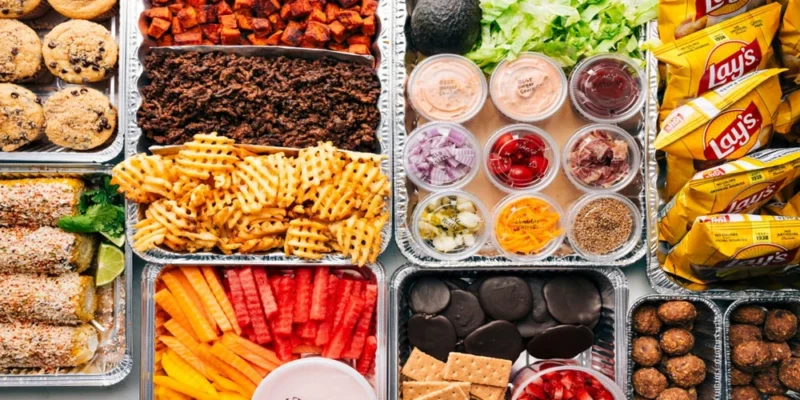
Keep the main meal shared and let a small number of toppings remain optional. Choose a filling people enjoy on its own, identify the finishes that genuinely divide preferences and provide only those choices in useful amounts. A household does not need an unlimited topping bar to accommodate different tastes at the same dinner.
The key is to distinguish a real preference from an accumulating possibility. One person may want a cool condiment and another may prefer a sharp dressing. Those are clear choices. Adding several more sauces because they happen to be in the refrigerator can create clutter without making anyone’s plate better.
Choose a filling that can stand on its own
Begin with the food everyone is being asked to share. If someone dislikes the filling, a choice of toppings may not solve the problem. Ask about that before cooking. The useful shared base is one the intended eaters want, not one you hope they will accept once it is covered in sauce.
Read the entire filling description. A loaded-potato variety already brings several flavors inside the dumpling, while a simpler onion or cheese choice leads to a different topping conversation. A broad category name does not tell you which ingredients are already supplying richness, smoke, heat or sweetness.
Holy Perogy’s Fully Loaded Potato includes potato, cheddar, smoked pork bacon, onion, butter and sour cream. If that is your chosen filling, adding bacon, cheese and a creamy topping repeats several existing elements. You may enjoy that repetition, but it should be a conscious preference rather than an assumed requirement.
Settle ingredient requirements before treating the meal as shared. A pork-containing filling will not become suitable for a person avoiding pork because they omit a topping. Similarly, an optional condiment cannot change the ingredients inside the dumpling. Some differences require another food choice, not merely separate finishing dishes.
Identify which toppings truly need to be separate
Ask each person which addition matters to them. The answer may be much smaller than the menu you were imagining. Someone might want one familiar condiment, while another wants the filling plain. Serving an optional finish separately can accommodate both without preparing a collection of alternatives no one requested.
Think about intensity. A strong sauce spread over all the dumplings commits the household to that flavor. Leaving it beside the food gives people control over whether and how much to use. This is especially useful when a topping is the main source of heat or sharpness in an otherwise shared dinner.
Keep texture preferences in view too. A person may enjoy a crisp garnish while another prefers it absent. If the garnish is easy to provide separately, it need not become an argument over the entire meal. Do not, however, add an elaborate extra preparation merely to fulfill a preference someone has not actually expressed.
Clarify whether a request is about taste or a dietary requirement. Those situations can call for different handling, and a communal topping arrangement may not meet everyone’s needs. Use the current ingredient information and the person’s requirements rather than treating all differences as casual customization.
Set out useful amounts in suitable dishes
Choose containers that let people serve the topping comfortably. A spoonable condiment needs an appropriate utensil; a loose garnish needs a dish that keeps it contained. Small, stable dishes may be more useful than a decorative assortment with mismatched serving tools.
A shopper reviewing Charlotte options from Holy Perogy can use the filling descriptions to decide how much finishing variety is needed in the first place. If the selected dumpling already has smoked bacon and cheddar inside, the table may need only the particular extra someone asked for. The product choice and the topping arrangement should inform each other.
Bring out an amount suited to the current meal rather than emptying every condiment container into a bowl. Follow appropriate handling and storage guidance for each food. A topping offered at dinner does not acquire a universal holding period merely because it accompanies dumplings, so plan for its actual ingredients and conditions.
Give shared utensils a clear place and discourage mixing the serving tools between dishes. Explain what a topping contains when that is not obvious, and keep packaging available for detailed questions. A neat arrangement should also be an understandable one.
Keep the serving area from becoming cluttered
Place the essential food first, then find room for the selected toppings. If there is not enough comfortable space, reduce the number of dishes or bring a requested finish to the table when needed. A crowded surface can make a supposedly flexible dinner feel awkward to eat.
Leave the center of attention on the meal itself. People should be able to reach their food and drinks without passing a series of bottles around each time they want a bite. Optional toppings are there to support personal preference, not to become a separate activity that interrupts supper.
Review what actually gets used. If several additions remain untouched, offer fewer next time. If one condiment is consistently requested, keep that knowledge in the household’s dinner plan. You can learn from a real meal without turning the process into a formal poll or adding another set of rules.
Agree on the few choices that make a difference, and stop there. A shared filling with one or two wanted finishes can give people room to enjoy dinner in their own way while keeping the table, the preparation and the cleanup within a sensible scale.