 By
By 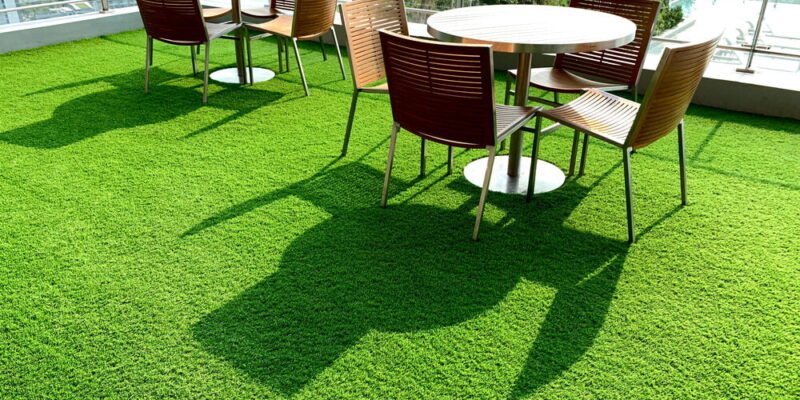
Warm regions treat lawns a little differently. Grass sits outside all day absorbing heat, and sometimes that heat becomes intense. Afternoon sunlight can feel strong enough to dry the top layer of soil within hours. When this happens again and again, the lawn slowly begins showing signs of stress.
Color fades slightly. Certain corners turn dull. Some sections feel rough when walking barefoot.
It is not always poor care. Often it is simply climate doing what climate does.
So people begin exploring options. And while searching online, many homeowners eventually come across the phrase sod installation san Antonio when looking for grass that survives heat more comfortably. Because not every lawn struggles for the same reason.
Choosing grass varieties suited for warm conditions
Grass behaves differently depending on its type. Some varieties grow best in cooler environments where sunlight is softer. Others actually prefer warmth and sunlight. Those varieties handle longer summer days without losing their appearance too quickly.
Warm climate lawns usually depend on grass that tolerates:
• Direct sunlight for long periods
• Soil that heats up during summer afternoons
• Occasional dry stretches between rain
These grasses naturally adjust to those conditions. A small rise in temperature does not always cause problems.
In many cases the grass type makes the biggest difference. The right variety can deal with summer heat more comfortably, and the yard ends up looking healthier.
Preparing soil so turf roots develop properly
- Before turf is installed, the soil beneath it needs attention.
- Hard ground makes life difficult for grass roots. If soil is too compact, roots struggle to spread downward and anchor themselves. That can weaken the lawn over time.
- So the soil is usually loosened and leveled first. Rocks or debris are removed. The ground becomes softer and more breathable.
- That preparation step often goes unnoticed once the lawn is finished.
- But it quietly supports the grass for years afterward.
Installation methods that help grass adapt quickly
- When turf is placed across the yard, the sections are arranged closely together.
- This helps the lawn look continuous rather than divided into pieces. At first you may notice faint lines where the pieces meet. But those lines rarely stay visible for long.
- As the grass begins growing, the edges blend together.
- Soon the yard looks like a single surface again.
- Sometimes people expect this process to take a long time. But surprisingly, it can settle faster than expected.
Watering patterns during the early growth period
- Early watering helps the grass adjust to the soil underneath.
- Weather can change watering needs. Some weeks require more attention, others less.
- Every yard behaves a little differently, honestly.
- But most lawns settle comfortably once those early days pass.
Long term lawn comfort for outdoor living areas
Once established, the lawn becomes part of daily life again. Children run across it. Outdoor chairs rest on it. Weekend gatherings spill into the yard without anyone worrying about dry patches underfoot.
And the grass simply continues doing its job quietly in the background.
That steady performance is often what homeowners hope for when they begin searching for sod installation san Antonio while planning a lawn suited for warm climate conditions. Not perfection. Just grass that feels natural and dependable through the changing seasons.