


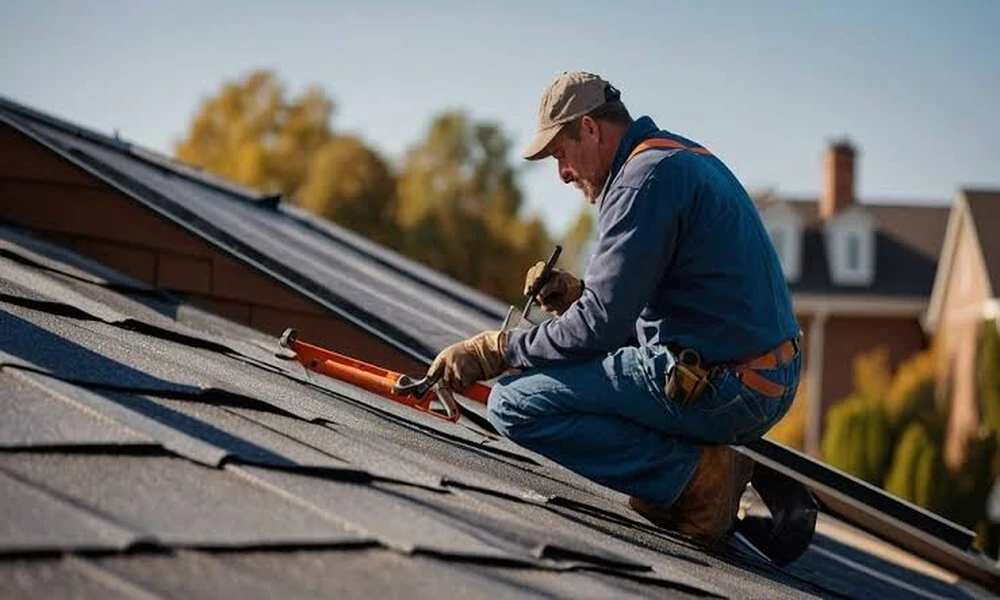
A roof protects every part of a home from rain, wind, snow, and changing temperatures throughout the year. Regular maintenance helps extend roof life, reduces unexpected repair costs, and allows small issues to receive attention before they grow into larger problems. A clear maintenance checklist also helps homeowners stay organized and monitor the roof’s condition with confidence.
Routine inspections completed by residential roof repair experts help identify damaged shingles, worn flashing, clogged drainage paths, and moisture concerns before structural damage develops. Scheduled roof care also supports proper attic ventilation and helps preserve the overall roofing system. Consistent maintenance creates a dependable record of roof conditions that can guide future repair decisions.
Inspect The Roof Throughout The Year
Routine roof inspections help identify surface damage, drainage issues, and worn components before moisture reaches the roof deck. Each inspection should focus on the conditions most likely to affect the roofing system during that season. The schedule below provides a practical guide for year-round roof care.
| Maintenance Time | Areas To Check | Recommended Action |
|---|---|---|
| Early Spring | Shingles, flashing, gutters, and roof valleys | Look for winter damage, remove debris, and check for loose materials |
| Early Summer | Sealants, vents, and nearby tree branches | Check exposed seals, confirm clear ventilation, and trim unsafe limbs |
| Early Fall | Gutters, downspouts, and drainage paths | Remove leaves and confirm that rainwater flows away from the home |
| After Severe Weather | Roof edges, shingles, flashing, and attic areas | Check for displaced materials, moisture stains, and storm-related damage |
Check Common Wear Areas
Pay close attention to locations that experience frequent weather exposure.
- Ridge caps and roof edges
- Flashing around chimneys and vents
- Valleys where water naturally collects
- Areas with visible moss or algae growth
Keep Gutters And Drainage Paths Clear
Clean, properly positioned gutters allow rainwater to leave the roof without pooling along vulnerable edges. Building provisions summarized by the EPA require roof gutters and downspouts to maintain a slope of at least one-eighth inch per foot toward collection inlets. Debris removal and routine alignment checks help prevent overflow, standing water, and moisture exposure near the fascia.
Look For Water Flow Problems
Overflow during rainfall usually signals restricted drainage or damaged gutter sections. Downspouts should direct water away from the home’s foundation without leaks or separation. Fast correction of drainage issues helps protect both the roof and exterior walls.
Examine Flashing And Roof Penetrations
Metal flashing creates a watertight seal around roof openings and transition points. Cracks, loose fasteners, or deteriorated sealant can allow moisture to enter beneath the roofing system. Regular evaluation keeps these protective barriers performing as intended.
Professional inspections from residential roof repair experts provide a closer evaluation of flashing, roof penetrations, attic conditions, and storm-related damage that may not be visible from the ground. Roof inspections, emergency repairs, and attention to hail or ice damage are all important parts of preserving long-term roof performance.
Remove Debris Before It Causes Damage
Branches, leaves, and other debris trap moisture against roofing materials. Long periods of moisture exposure can contribute to deterioration and shorten the service life of shingles and flashing. Prompt debris removal keeps the roof surface clean and allows water to drain properly.
Watch For Nearby Tree Growth
Tree limbs should remain safely away from the roof surface.
- Trim branches that extend above the roof.
- Remove dead limbs that could fall during storms.
- Limit leaf buildup in roof valleys and gutters.
Work With A Roofing Contractor Who Prioritizes Preventive Maintenance
A roofing contractor who prioritizes preventive maintenance performs detailed inspections, identifies developing issues, and recommends timely repairs before damage spreads throughout the roofing system. Professional maintenance also includes evaluating shingles, flashing, roof penetrations, drainage, and ventilation to support long-term roof performance. Regular expert assessments help extend roof service life, reduce avoidable repair costs, and maintain dependable protection throughout every season.
A routine roof maintenance checklist supports long-term protection by keeping roofing components in dependable condition throughout every season. Consistent inspections, timely cleaning, and prompt attention to developing issues help preserve structural integrity and reduce avoidable repairs. A proactive maintenance schedule helps homeowners protect their investment and extend the life of the entire roofing system.