


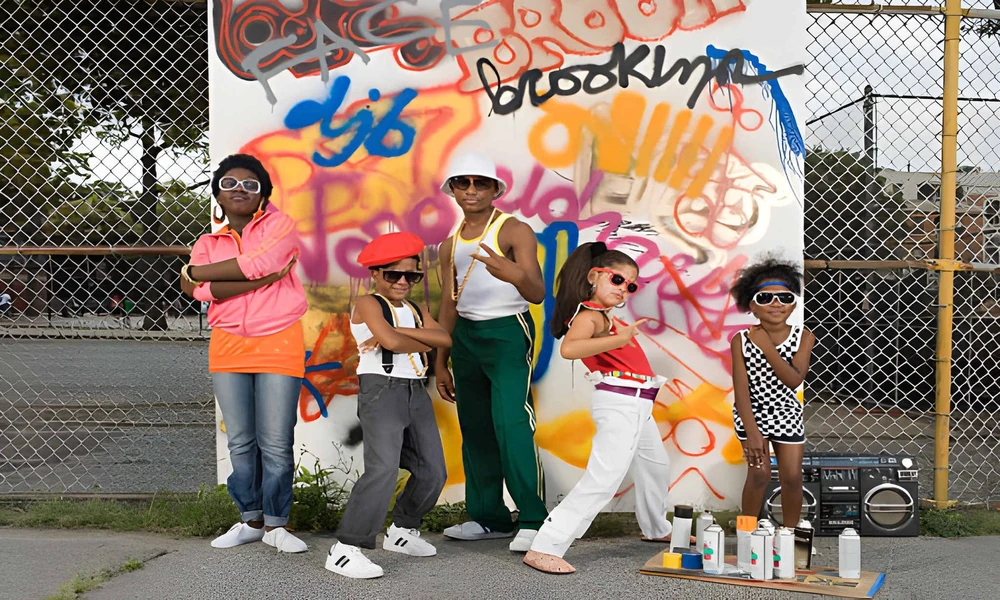
Graffiti letters can look effortless when you see them finished on a wall. Big, colourful, twisting, and full of attitude. But try drawing one yourself and suddenly that “simple” letter feels surprisingly tricky. That is where a hands-on graffiti workshop makes a real difference. Instead of just looking at street art, you get to understand how the shapes, lines, colours and effects actually come together.
If you want to learn graffiti in Amsterdam, a workshop with Graffitifun in Utrecht gives you the chance to move from a basic sketch to a real spray-painted artwork. Their Amsterdam workshops introduce participants to graffiti techniques before letting them create their own designs with guidance from professional artists.
Start With the Basics
The smartest way to learn graffiti lettering is not to jump straight into the wildest style you can find. Start with the structure of the letter. A simple pencil sketch, or “skeleton,” gives you something to build on. From there, you can thicken the lines, add bars, adjust proportions, and experiment with overlaps.
This is also where you start noticing something interesting: graffiti letters are not really about making ordinary letters look fancy. They are about giving them personality. A letter can become rounded, stretched, angular, chunky, or almost impossible to read. Your choices change its entire mood.
Explore Different Letter Styles
Graffiti letters come in a surprisingly wide range of styles, and Graffitifun in Utrecht introduces participants to the creative possibilities behind them. Bubble letters are rounded and playful, while block or blockbuster styles use strong, heavy forms.
Throw-ups are quicker and simpler, and wild-style takes things much further with interlocking shapes, arrows, and complex connections. And then there are 3D effects, shadows, highlights, and colour fades. Suddenly, that flat pencil drawing starts looking like it could jump off the wall.

Turn a Sketch into Something Real
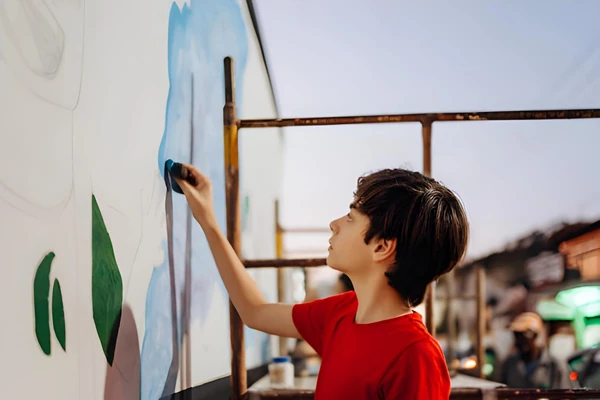
One of the best parts of a workshop is moving beyond paper. At Amsterdam workshops, participants first work on their design and then transfer their ideas onto a graffiti panel or collaborative artwork. They receive practical guidance while learning how to handle different paint layers and techniques.
That hands-on stage is where things really click. You discover that spray-can control matters just as much as the drawing itself. Distance, pressure, and nozzle choice can change the line dramatically, while outlines, fills, shadows, and highlights give the final piece its character.
Find Your Own Style
The goal of a graffiti workshop should not be to make everyone produce identical letters. That would kind of miss the point. Good graffiti lettering develops through practice, experimentation, and personal choices.
So don’t worry if your first letter looks a little wonky. It probably will. That is part of the fun. Keep sketching, keep experimenting, and let your letters gradually become your own.
A hands-on workshop gives you more than a finished piece to take home. It gives you a glimpse into the thinking, technique, and creativity behind graffiti lettering, and maybe, just maybe, the confidence to pick up a spray can and create something completely your own.