


How does tracking work?
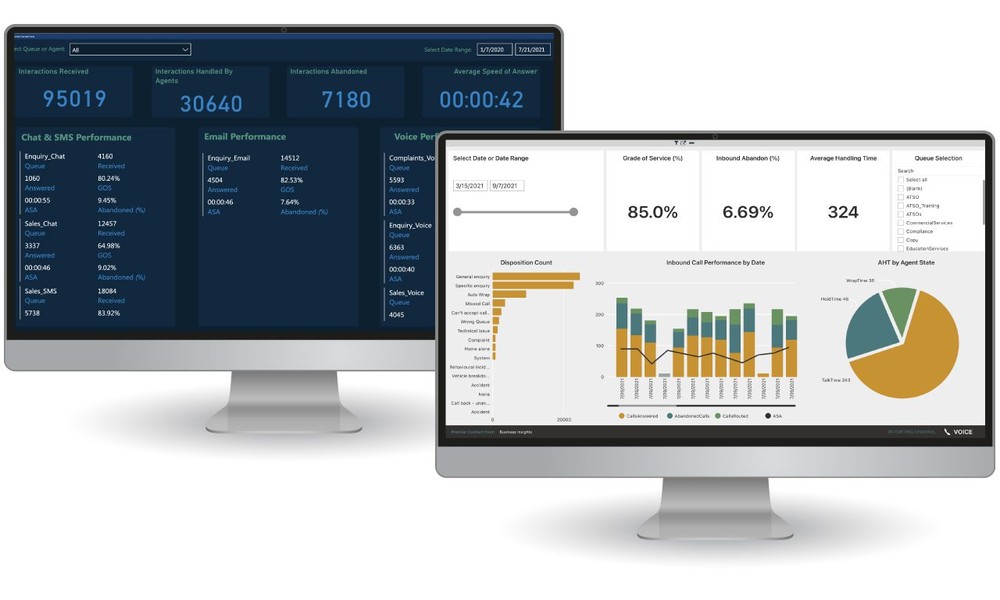
Most people assume application and website tracking works like a simple on-off switch. Either something gets blocked, or it does not. What actually happens runs considerably deeper. Every application opened during a working session gets logged alongside how long it stayed active, when it was opened, and how frequently it appeared across the day. Website interactions follow the same logic. URLs visited during working hours are recorded with duration data, giving management a picture of where attention went rather than just confirming a device was switched on. empmonitor captures this continuously, building a session-level record that reflects how working time was distributed across platforms throughout each shift. That combination of application and website data produces a working behaviour profile that point-in-time checks or manual reporting could never replicate with the same consistency across a distributed workforce.
Does usage reflect productivity?
Application and website data do not measure productivity directly, but they show how working time was structured, which is often more useful than output figures alone. A team member spending most active hours within project management and document editing platforms presents a different working picture from one whose logs show frequent movement between unrelated applications throughout the day.
Specific insights that emerge consistently from usage records:
- Application dwell time shows which platforms received sustained engagement versus brief visits during core hours.
- Website category breakdowns separating work-relevant browsing from activity outside assigned responsibilities.
- Frequency logs reveal how often certain applications were accessed and whether that matched project requirements.
- Cross-day comparisons show whether usage patterns stayed consistent or shifted across the working week.
- Idle period identification within active sessions where devices were logged in, but no application engagement was recorded.
Patterns emerge over time.
Single-day logs tell management very little in isolation. A quiet Tuesday followed by an active Wednesday could reflect project cycles, meeting schedules, or any number of working conditions. Patterns across two or three weeks carry more weight.
Records accumulate automatically without manual input from staff or supervisors. Over time, they show which applications dominate productive periods, where website activity clusters during the day, and whether those clusters correspond to work-relevant browsing. Managers reviewing monthly datasets make capacity and workload decisions from a far more accurate picture of how teams actually operate rather than how they report operating. That gap between reported and recorded behaviour is where usage tracking delivers its clearest value to management.
Reviews gain clarity
Application and website usage records change what performance conversations can draw from. A month of session logs showing consistent engagement with relevant platforms supports an assessment with documented evidence rather than general impressions formed from partial observation. Patterns showing persistent engagement with non-work activity during core hours exist across the full recorded period rather than resting on a single observation, and staff can reasonably challenge. Reviews drawing from usage records become more consistent across different managers evaluating comparable team members, removing the subjectivity that makes distributed team appraisals difficult to conduct fairly when no structured reference material exists to anchor the conversation in verified working behaviour.
Tracking application and website usage builds a continuous session-level record of how working time moves across platforms each day. That record grows more useful over time, giving management a documented foundation for productivity assessment and performance review that manual reporting alone could never produce with the same reliability.